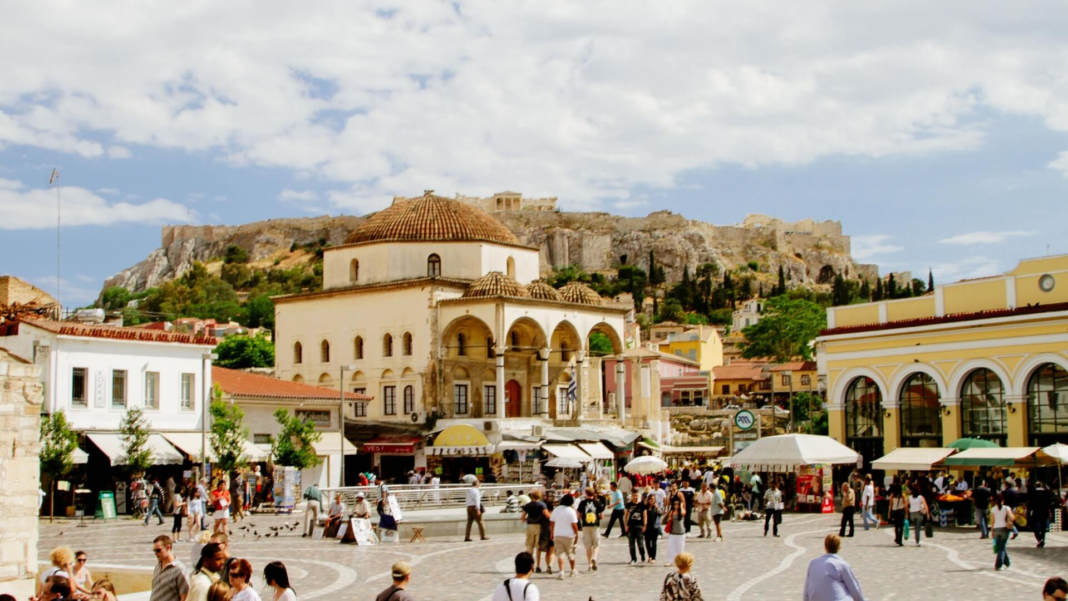

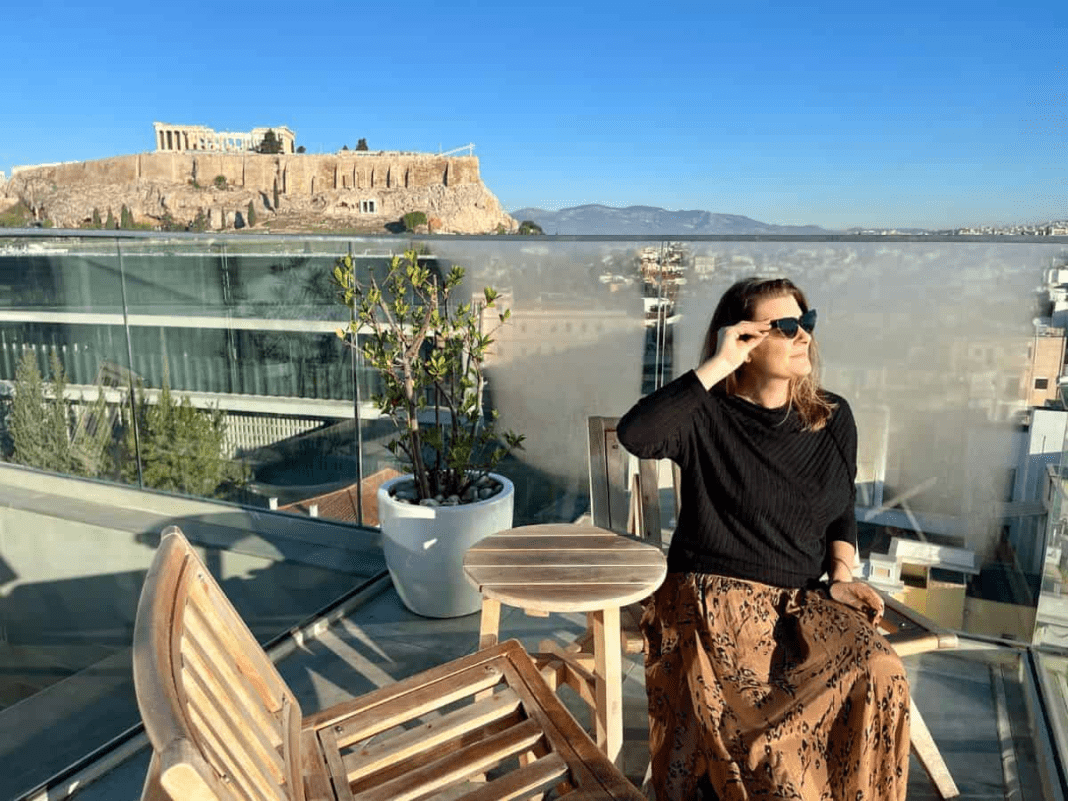
Beneath the postcard aesthetic of ancient ruins and perpetual sunshine lies a complex, relentlessly vibrant European capital. Living in Athens in 2026 requires navigating a city of profound contrasts, where hyper-modern digital infrastructure collides with deeply entrenched Mediterranean traditions. For the growing influx of expatriates and remote workers, adapting to the Greek capital goes far beyond securing a visa; it demands a complete recalibration of one’s daily clock and a deep understanding of neighborhood micro-cultures.
The Geographic Shift of Authentic Athenian Life
The geography of daily life in the capital has shifted noticeably over the past few years. As the historic center and districts like Koukaki became saturated with short-term tourist lets, the authentic Athenian lifestyle migrated outward.
The Rise of Peripheral Hubs
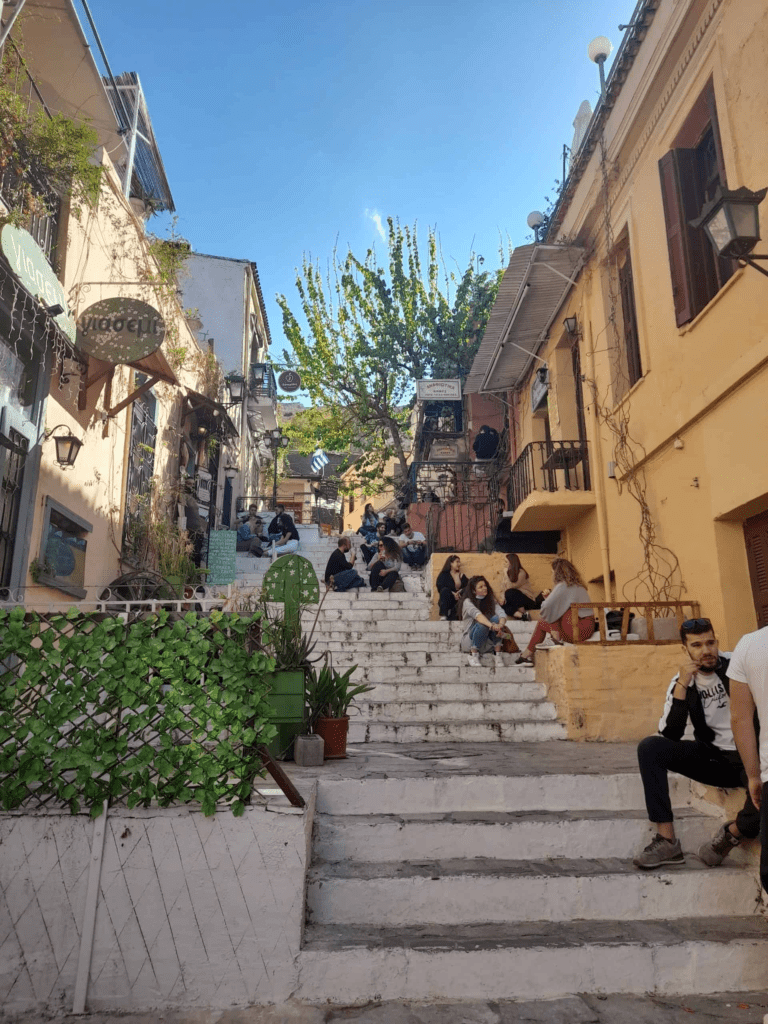
Today, the true pulse of the city is found in residential strongholds. Northern suburbs like Chalandri offer leafy, tech-friendly enclaves, while working-class districts to the west, such as Peristeri, are experiencing a distinct renaissance. These areas provide robust local economies, thriving café cultures, and a retention of the traditional geitonia (neighborhood) feel, heavily shielded from the transient tourist economy. For long-term residents, integration means participating in these localized micro-economies rather than frequenting the over-commercialized downtown core.
Infrastructure and the Daily Commute
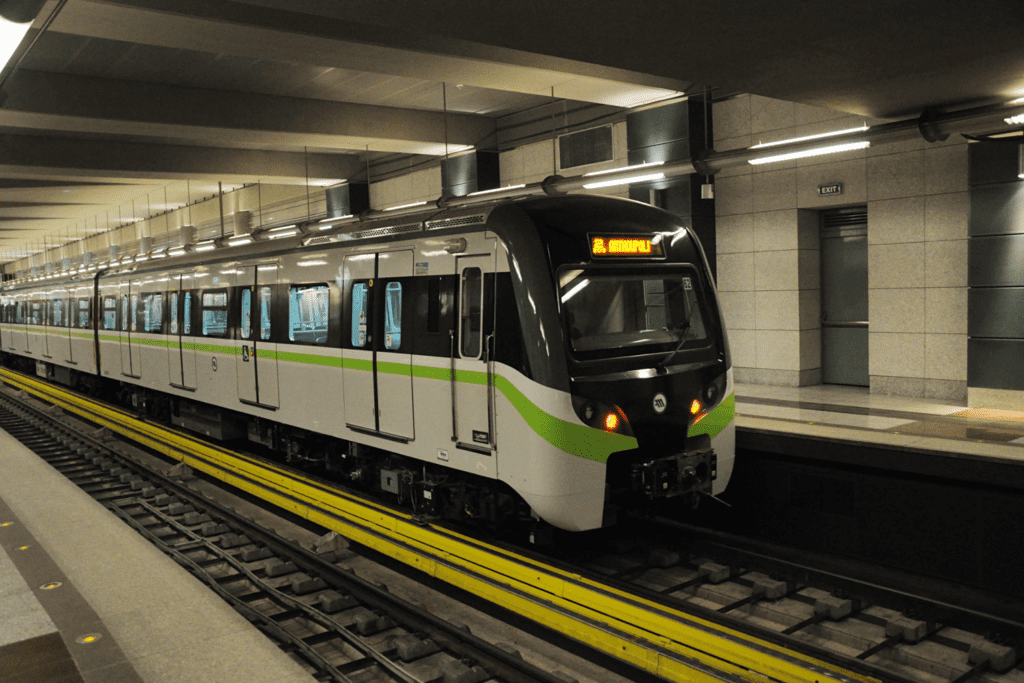
Daily movement across this sprawling metropolis is largely dictated by its evolving transit infrastructure. The Athens Metro, particularly the expansion of Line 2 and Line 3, serves as the vital artery for the working population. However, the surface-level reality is often defined by dense traffic and a highly individualized driving culture.
Consequently, a resident’s quality of life is disproportionately linked to their proximity to a metro station. The daily commute is an exercise in urban resilience, pushing many new arrivals to heavily prioritize neighborhood walkability and localized amenities. The reliance on local farmers’ markets (laiki agora) over massive supermarket chains remains a resilient urban habit, driven as much by infrastructure limitations as by cultural preference.
The Cultural Clock: Navigating the Athenian Rhythm
The most profound shock for Northern Europeans and North Americans is the Athenian temporal rhythm. The city operates on a notoriously delayed schedule. Lunch is rarely consumed before 3:00 PM, and dining out at 10:00 PM is considered standard.
The Enforceable Tradition of Quiet Hours
Furthermore, the culturally ingrained mesimeriani isichia (the afternoon quiet hours between 3:00 PM and 5:30 PM) is still an active, legally enforceable mandate. This creates a unique friction for the modern expatriate working on a rigid London or Berlin timezone, requiring a delicate balancing act between professional obligations and the local cadence of life. Attempting to force a 9-to-5 corporate urgency onto the Athenian afternoon routinely leads to frustration and social isolation.
Shared Housing and Behavioral Friction
This friction of adaptation is most acutely felt behind closed doors. As the economic realities of the capital force an increasing number of young professionals and expats into shared housing, the clash of daily rhythms becomes a tangible household liability. Sharing a wall with someone who embraces the Athenian 2:00 AM socializing culture, while operating on a 7:00 AM remote-work schedule, routinely leads to domestic breakdown.
The Evolution of Household Vetting
In response to this behavioral challenge, the local rental market is slowly evolving. Landlords and property managers who handle co-living spaces are increasingly instituting strict behavioral clauses in shared leases. The market is shifting away from the chaotic, unverified nature of social media housing groups toward more rigorous vetting processes.
For the modern expat, integration now requires not just finding an affordable room, but securing a culturally synchronized household. Harmonious urban living is achieved by identifying contrasting lifestyle rhythms and resolving them transparently before a joint lease is ever signed on the government portal.
According to recent reporting by news.com.gr, beyond rising rents, shared building expenses (koinoxrista) have become a significant hidden cost for tenants in Athens, often increasing the total monthly housing burden more than expected.
Market Realities: Frequently Asked Questions
How strict are the legal quiet hours in residential neighborhoods? The mesimeriani isichia (afternoon quiet hours) and night quiet hours are written into Greek civil law. While enforcement varies, causing excessive noise during these periods—such as running a washing machine or playing loud music—often results in formal complaints from neighbors and potential police intervention.
Is it necessary to own a car to navigate daily life in Athens? If a resident lives and works within the immediate reach of the metro or the tram network, a car is considered an expensive liability due to severe parking shortages. However, accessing the broader Attica region or the coastal suburbs heavily relies on private transport or the extensive, though sometimes unpredictable, bus network.
How does the neighborhood street market operate? Almost every Athenian neighborhood hosts a laiki agora once a week. These state-regulated street markets shut down specific residential roads for the day, providing locals with direct access to regional farmers for fresh produce, fish, and household goods at prices significantly lower than corporate supermarkets.