

Minister of State Akis Skertsos has detailed the government’s long-term strategic blueprint heading toward 2030, emphasizing major housing interventions, judicial reforms, and the complete utilization of European Recovery and Resilience Facility (RRF) capital. Speaking to the newspaper Apogevmatini, Skertsos outlined “Agenda 2030″—coordinated under Deputy Prime Minister Kostis Hatzidakis—which frames the administration’s third term objective as leading the country into a new structural era centered on economic productivity, state modernization, and international standing.
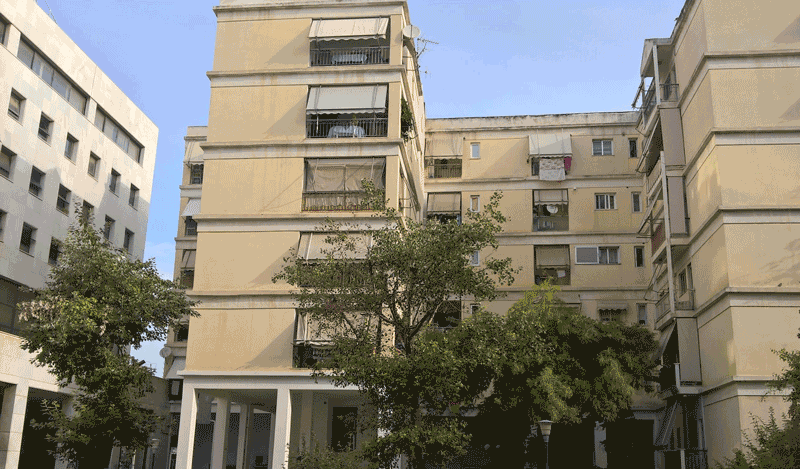
Addressing pressing domestic housing costs, Skertsos confirmed that the execution of the National Strategy for Affordable Housing is entering its operational phase. The state plan includes the immediate construction or renovation of 19,750 affordable housing units targeting nearly 60,000 beneficiaries, alongside the development of more than 8,500 university dormitory beds. These measures build upon the existing “Spiti Mou 1 and 2” mortgage subsidy programs, which have already assisted over 24,000 households in acquiring primary residences.
RRF Absorption and Structural Economic Reforms
Amid political debate regarding European capital deployment, Skertsos affirmed that Greece will achieve 100% absorption of its Recovery and Resilience Fund allocation, stating that no European funds will be lost. He highlighted structural progress within the national energy matrix, noting that by 2026 Greece has transitioned into a net energy exporter while maintaining electricity prices near the lowest tiers within the European Union.
Rejecting claims of reform fatigue during the administration’s second term, the Minister pointed to key institutional overhauls:
- Land Use and Cadastre: The near-completion of the national cadastre (Ktimatologio), establishing clear property rights and urban planning boundaries across the country.
- Agricultural Subsidies: The structural reorganization of payment mechanisms for agricultural subsidies to ensure transparency and compliance.
- Judicial Map Reform: The implementation of the new judicial map, which Skertsos reported has reduced the processing time for first-instance court decisions by 50%.
Rule of Law and Political Outlook
Regarding the European Commission’s latest Rule of Law report, Skertsos noted that the findings place Greece in the middle of the EU ranking with four recommendations—level with member states such as Germany, Austria, Finland, and Portugal. He cited The Economist indicators ranking Greece among the world’s 26 full democracies out of 167 surveyed nations.
Looking ahead to upcoming policy announcements at the Thessaloniki International Fair (TIF) focused on middle-class relief, Skertsos indicated that the government’s priorities remain tackling inflation, lowering tax burdens, reducing bureaucratic hurdles, and optimizing tax revenue collection. On political alliances, he noted that current polling reflects a clear lead for the ruling party, while dismissing the feasibility of coalition governments given the current political landscape.