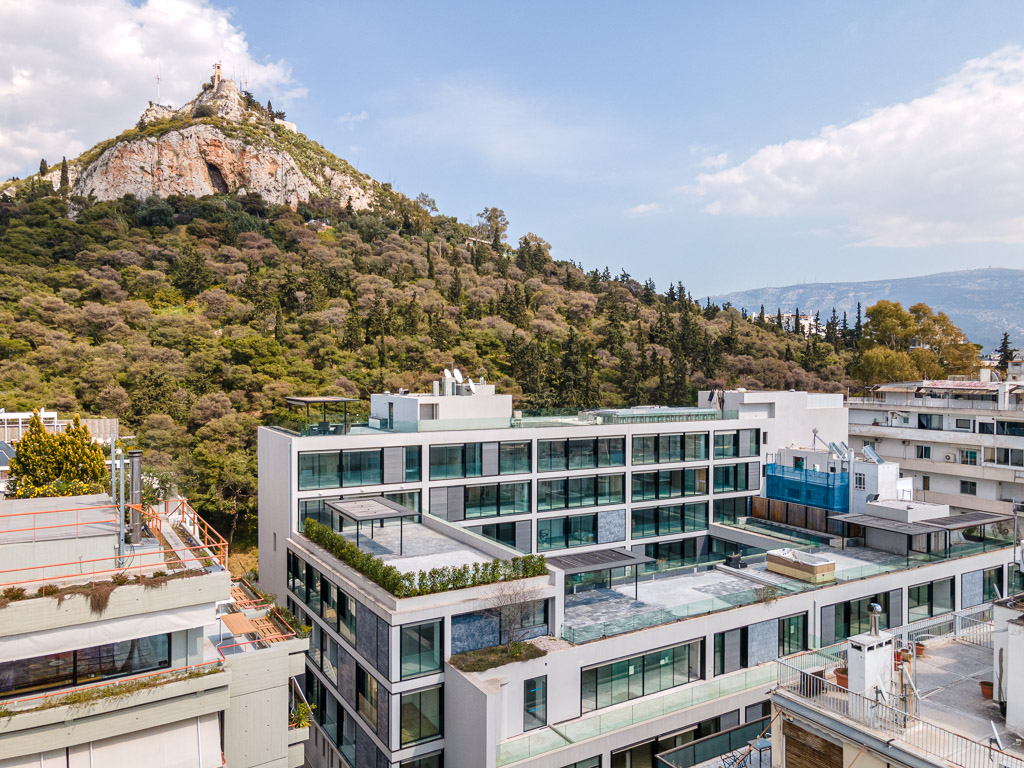

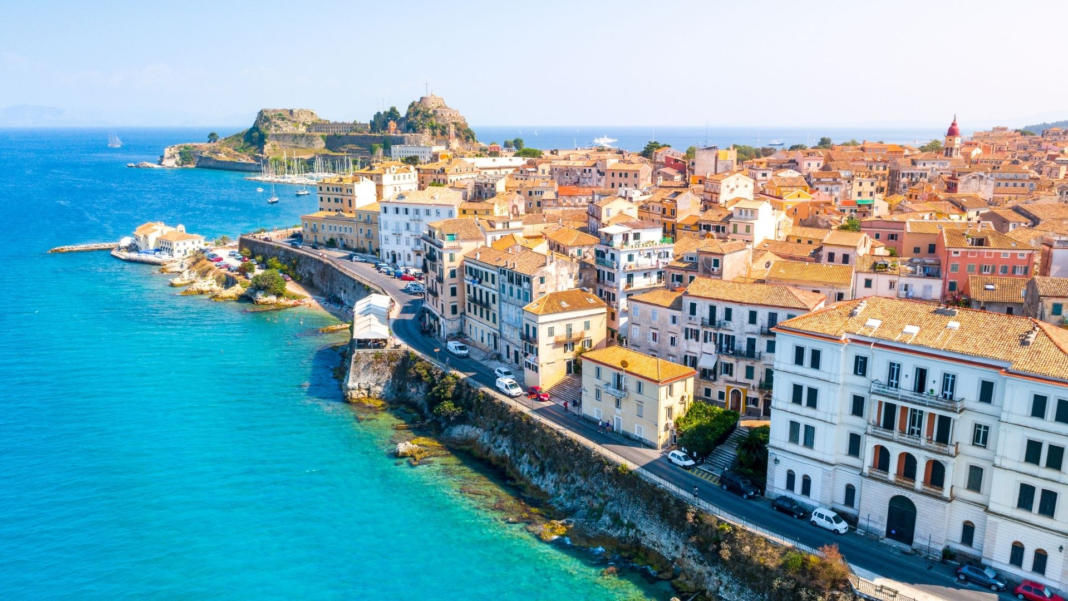
The hyper-inflation of real estate in Greece is no longer contained within the commercial corridors of Marousi or the elite seafront blocks of Vouliagmeni. Market data from the Greek islands confirms that the gap between property valuations and domestic wages has expanded far beyond the capital. For foreign buyers comparing the buy property in Athens, Greece, price levels against seasonal vacation destinations, the islands are no longer just holiday escapes—they are operating as highly competitive investment zones that directly tighten the overall housing stock of the country.
This geographical spread of investment capital means that the pressure points of the housing crisis in Greece are hitting local populations in vulnerable, isolated micro-markets where seasonal tourist yields dominate the local economy.
The Island Premium vs. Suburban Reality
While a renovated one-bedroom in central Athens commands between €600 and €850 a month, the purchase and rental floor on popular islands has reached a point where local public sector workers can no longer secure housing. The pricing structure across the islands is heavily split between luxury cosmopolitan hubs and historically affordable local destinations.
The Capital Flight to the Islands Overseas liquidity that previously focused entirely on the Athens Riviera is now aggressively diversifying into regional island stock:
- The Cyclades Core (Mykonos, Santorini, Paros): Asking prices routinely clear €7,000 to €12,000 per square meter, operating entirely on independent global luxury pricing.
- The Emerging Hubs (Tinos, Syros, Naxos): Prices have climbed to €3,500–€5,500 per square meter, driven by buyers priced out of the primary Cycladic markets.
- The Large-Scale Destinations (Crete, Rhodes): New construction stock ranges from €3,000 to €4,500 per square meter, increasingly mirroring the pricing dynamics of middle-tier Athenian suburbs like Marousi.
The core issue is that island construction is limited by geography, high transport costs for materials, and strict archeological and environmental zoning laws. With a national housing deficit of 794,000 physical homes, the diversion of building materials and labor toward high-margin luxury villa projects on the islands has slowed down the development of standard residential stock on the mainland, further inflating the general cost of housing in Athens and other urban centers.
The Displaced Workforce: Doctors and Teachers Without Homes
The human cost of this island real estate boom mirrors the displacement patterns seen in the capital’s central districts like Koukaki and Exarchia, but with immediate structural consequences for local public services.
The Seasonal Eviction Cycle Local civil servants, medical professionals, and teachers assigned to island municipalities are facing a severe shortage of long-term inventory. Landlords on the islands have almost zero economic incentive to sign traditional three-year civil leases when they can secure higher revenue through short-term holiday platforms from May to September.
This has created a disruptive seasonal pattern: local workers are frequently forced out of their apartments in April or charged unsustainable premiums, only to be offered the units back in October when the tourist season ends. The crisis has reached a threshold where public health centers and schools on islands like Santorini and Mykonos are struggling to retain staff simply because a standard local salary cannot cover the cost of a basic rental unit.
The Illusion of Alternative Markets
The expansion of international demand into previously overlooked islands has closed the loop for domestic buyers seeking affordable options. Just as middle-class Athenian families are being pushed inland toward Argyroupoli or the western corridor of Peristeri, local islanders are finding themselves priced out of their own hometowns.
The money entering these regional markets is highly liquid and largely immune to local interest rates. The buyer profiles are heavily weighted toward European remote executives, non-EU residency investors, and foreign retirement funds. For an investor coming from a high-wage economy, a €400,000 stone house on a Cycladic island represents value; for a local worker earning the standard net wage, it requires a level of capital accumulation that is mathematically out of reach.
Practical Market Summary
The data across the Greek island real estate market shows that the housing crunch is a unified national issue rather than a localized urban problem. In practice, the island real estate sector is operating on pricing tracks that are permanently separated from the domestic economy. Anyone looking to acquire assets in these regional markets needs to plan around an environment of restricted supply, high seasonal competition, and a strict regulatory framework that will continue to insulate these properties from broader domestic economic pressures.