
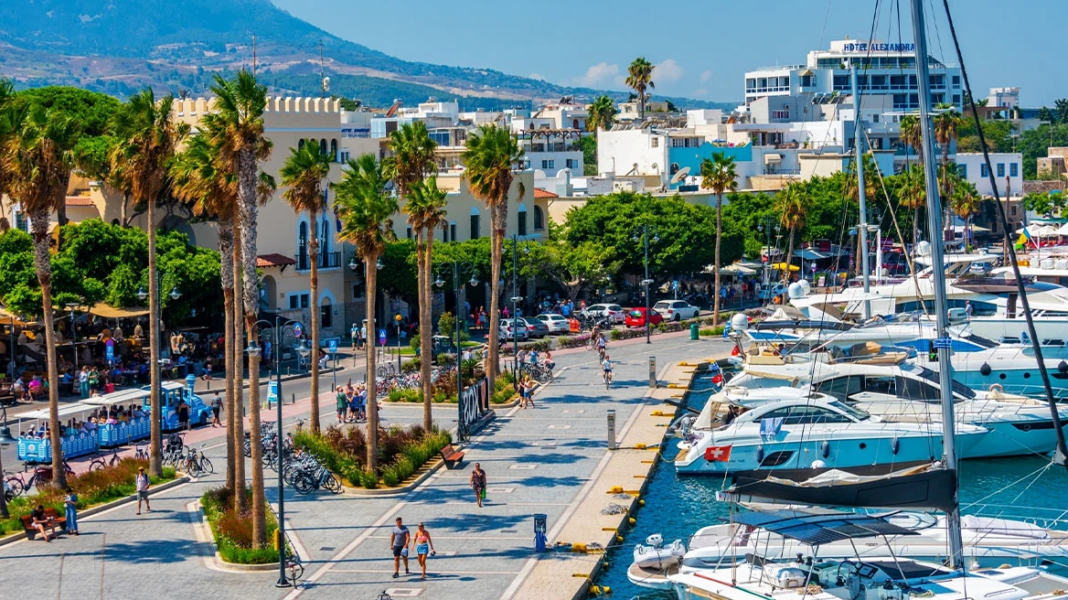
For years, the Greek economic recovery relied on an unspoken macroeconomic strategy: build it, and the tourists will come. From the congested alleys of the Cyclades to the residential neighborhoods of Athens, the hospitality sector operated with high velocity and minimal spatial constraints. However, as local infrastructure buckles under the weight of overtourism, the Greek state is decisively pulling the emergency brake.
The introduction of the new Special Spatial Framework for Tourism signals a radical shift in how the country regulates its most lucrative industry. It effectively ends the “wild west” era of Greek real estate development.
Why is Greece restricting new hotels and Airbnbs in 2026?
The new spatial planning framework aims to combat overtourism by imposing strict limits on off-plan construction in saturated areas, capping the total number of tourist beds per municipality, and enforcing heavy restrictions on short-term rentals. It is a calculated legislative move to pivot the Greek economy away from mass tourism and toward sustainable, high-yield luxury hospitality.
Understanding this new framework requires looking past the environmental rhetoric and analyzing the deep structural boundaries it places on private capital and property rights.
The Death of ‘Off-Plan’ Construction
For decades, real estate developers and individual investors exploited the loophole of off-plan building—a deeply entrenched legal provision allowing construction on unzoned plots outside official municipal limits. This mechanism fueled the explosion of isolated villas and boutique hotels across the Aegean.
The new spatial framework heavily restricts this practice, drawing a hard line on where concrete can be poured, particularly on saturated islands like Mykonos and Santorini. By enforcing strict geographic boundaries and demanding heavy environmental compliance, the state is attempting to preserve the natural landscape. However, from a market perspective, it is also drastically severing the future supply pipeline of independent tourist properties.
Airbnb Restrictions Greece: The Squeeze on Short-Term Rentals
The most immediate socio-economic friction generated by the new framework falls directly on the short-term rental market. Operating an Airbnb in Greece is transitioning from a passive, unregulated income stream into a tightly controlled enterprise.
The legislation introduces a targeted hard cap for short-term rental properties. In highly congested urban centers and “red-zone” island municipalities, the state is actively limiting the percentage of residential properties that can be legally converted into tourist beds.
For the domestic housing market, this is a vital intervention. As explored in our analysis of the housing crisis in Greece, the unchecked proliferation of Airbnbs has decimated the long-term rental supply, displacing local residents. By aggressively limiting short-term licenses, the government hopes to force properties back into the traditional civil lease market. Yet, for small-scale local owners who relied on short-term yields to survive relentless [cost of living increases 🔗], this regulatory squeeze threatens to cut off their primary financial lifeline.
The Pivot to Premium: Consolidating Corporate Wealth
While the new spatial framework heavily restricts small-scale developers and individual Airbnb hosts, a closer reading of the legislation reveals that it quietly paves the way for institutional mega-investments.
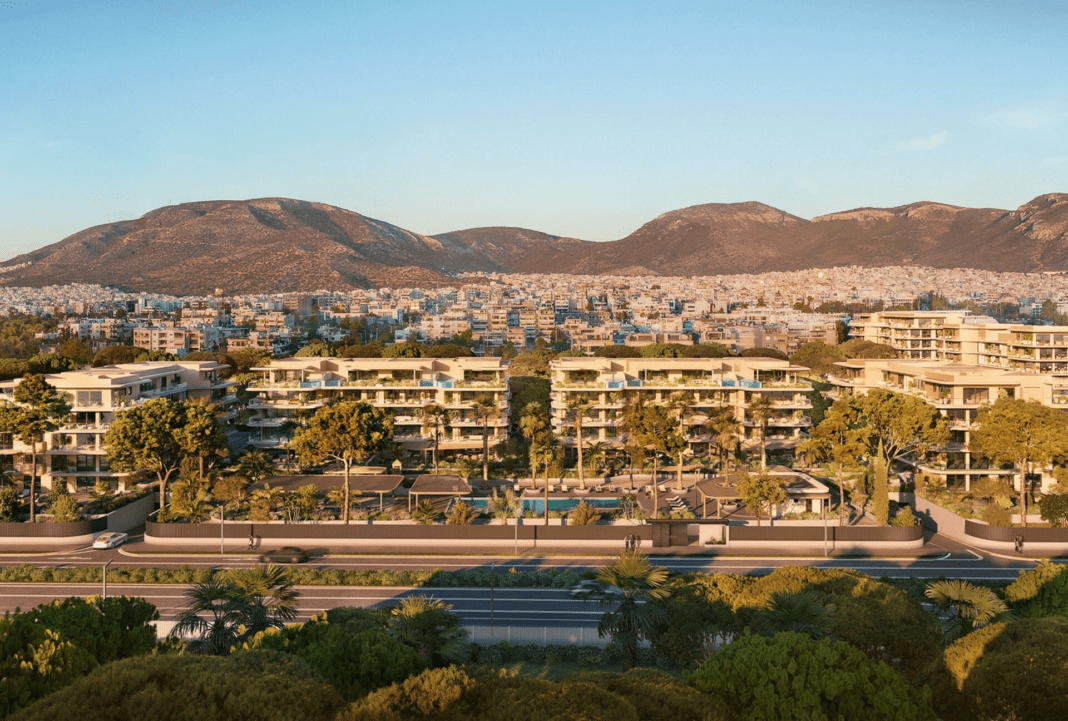
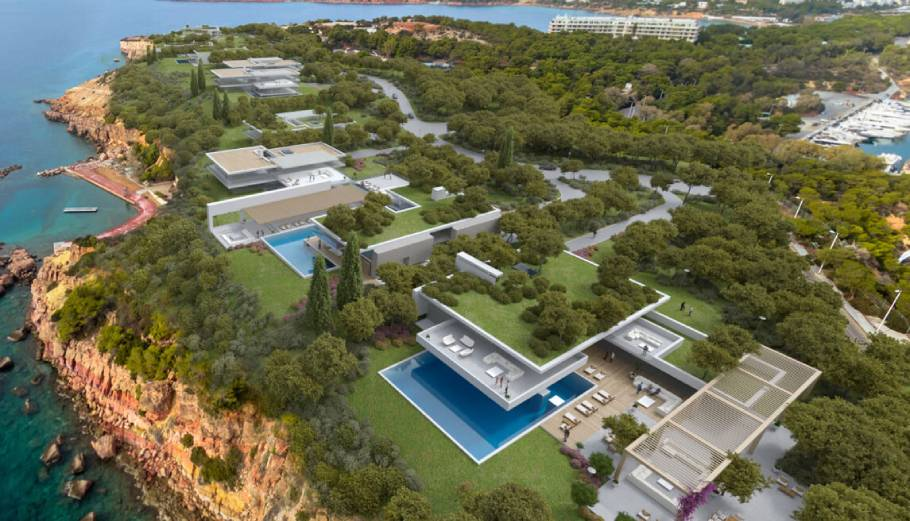
The new rules explicitly favor the development of 4-star and 5-star mega-resorts, particularly those that can integrate their own renewable energy sources and advanced water desalination systems. The state is engineering a deliberate transition from high-volume, low-margin backpacker tourism to high-yield luxury enclaves.
While this structural shift aligns seamlessly with the broader influx of productive Foreign Direct Investment (FDI), it creates a highly polarized, two-speed tourism economy. The regulatory and environmental barriers to entry are now so steep that only heavily capitalized multinational corporations possess the liquidity to navigate them.
What This Means for Real Estate and Renters in 2026
The new spatial planning framework is not simply a set of environmental guidelines; it is a profound restructuring of the Greek real estate landscape.
For the average renter in Athens, these Airbnb restrictions offer a glimmer of hope that the rapid depletion of residential housing stock will finally slow down, potentially easing the fierce upward pressure on monthly rents.
For international and domestic real estate investors, however, the message is stark. The era of buying a cheap, unzoned plot on a Greek island and building a rapid-yield tourist villa is definitively over. In 2026, the Greek state is no longer prioritizing the sheer volume of tourists arriving at its airports; it is aggressively defending the exclusivity, infrastructure, and sustainability of the land they stand on.