
For nearly a decade, the rhythmic rattle of suitcase wheels on the pavements of Koukaki and Plaka was the unofficial soundtrack of Athens’ economic recovery. Short-term rentals (STRs) became a gold rush, turning residential neighborhoods into tourist zones and offering property owners a lifeline during the financial crisis. But in 2024, the music stopped.
Faced with a deepening housing crisis that has priced locals out of their own city, the Greek government dropped a regulatory hammer on the sector. With a freeze on new licenses in central Athens and a suite of aggressive tax hikes, the message from the Maximos Mansion is clear: The era of unregulated tourism is ending.
As the dust settles, a new question emerges: What happens next? The market is currently in a state of disequilibrium, and in this chaotic transition, platforms like StayDuo are emerging not just as alternatives, but as necessary stabilizers for a fractured housing sector.
The Landlord’s Hangover: From ‘Easy Money’ to Tax Liability
For years, the math was simple for Athenian landlords: listing on Airbnb yielded triple the income of a standard lease. The new regulations have shattered that calculus.
The introduction of the “Climate Crisis Resilience Fee,” combined with VAT obligations for multi-property owners, has eroded profit margins. Furthermore, the operational fatigue is setting in. The “passive income” dream has morphed into a second job of managing check-ins, cleaning crews, and reviews.
We are now witnessing a mass exodus. Landlords are looking to exit the short-term market, but they are hesitant to return to traditional long-term leasing. They fear the rigidity of 3-year contracts and the risk of non-paying tenants. They are stuck in limbo.
The Tenant’s Crisis: Inventory Returns, but Trust is Broken
For tenants—students, digital nomads, and the expatriate community—the crackdown should be good news. Thousands of renovated apartments are flooding back into the residential pool.
However, affordability remains a critical issue. Rents may stabilize, but they are stabilizing at a high price point. A renovated apartment in Pagrati that was charging €100 a night won’t suddenly rent for €300 a month. It will rent for €700 or €800—prices still out of reach for single incomes.
This creates a deadlock: Landlords want security and high yields; tenants want affordability and flexibility. The traditional rental market is too archaic to solve this efficiency gap.
The ‘Third Way’: The Rise of Tech-Enabled Co-Living
This market correction has paved the way for the Co-living model to mature in Greece. It is no longer just for students; it is a lifestyle necessity for professionals navigating high inflation.
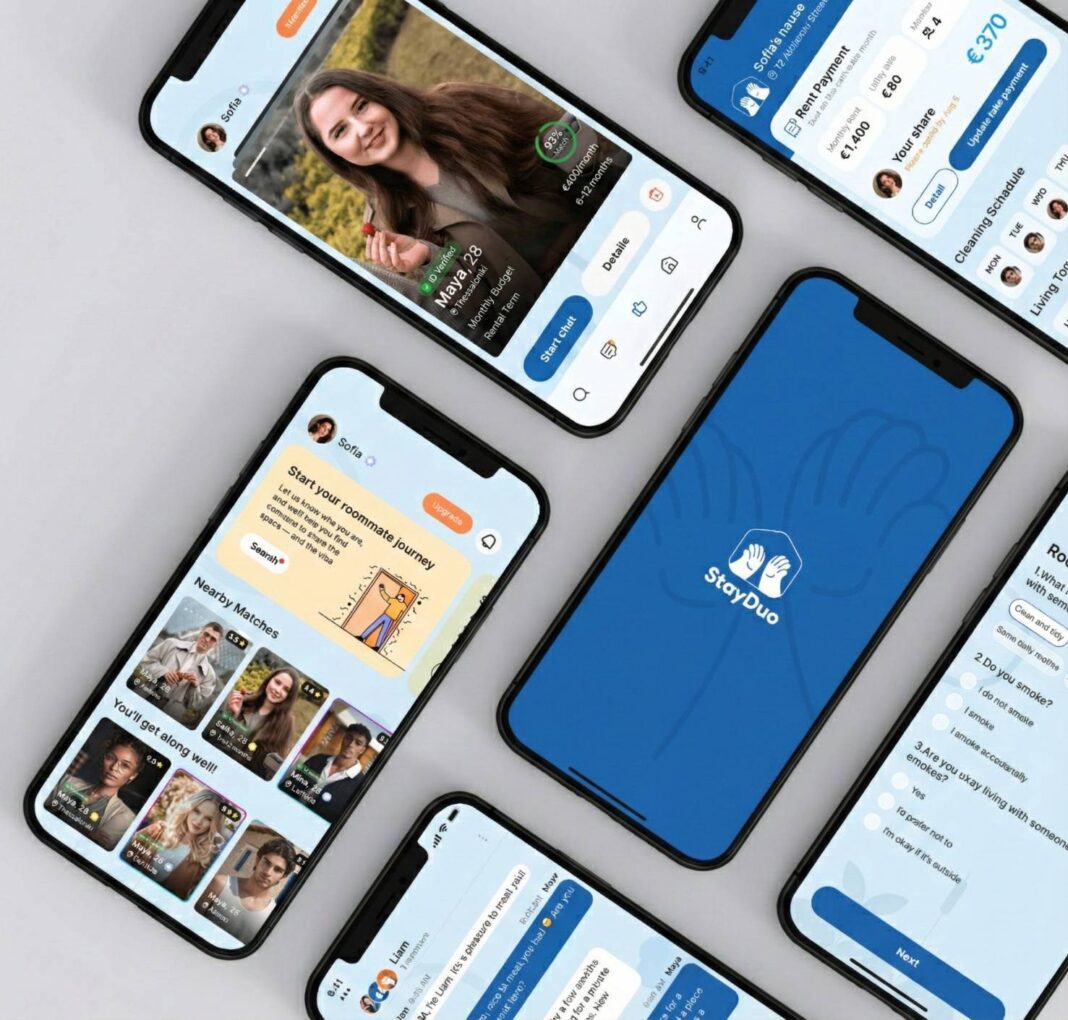
This is where the Greek startup StayDuo has positioned itself, acting as the technological bridge between the retreating Airbnb market and the new reality of residential leasing.
In our analysis of the sector, StayDuo addresses the two core fears paralyzing the market:
1. Mitigating the “Stranger Danger” (For Landlords) Landlords leaving Airbnb are accustomed to the vetting systems of tourism platforms. They demand verified profiles. StayDuo applies this logic to mid-to-long-term rentals. By offering verified tenant profiles, the platform gives landlords the confidence to lease their high-end properties to residents rather than tourists, ensuring their asset is respected.
2. Solving the Affordability Equation (For Tenants) The only economic way to live in a high-quality, central Athenian apartment post-2024 is by sharing the cost. However, the social risk of a “bad roommate” is high. StayDuo’s proprietary matching algorithms—which analyze lifestyle, habits, and personality—remove the friction from this process. It professionalizes the search for a flatmate, turning it from a gamble into a data-driven match.
Outlook: A More Resilient Market
The government’s restrictions are not designed to kill the rental market, but to mature it. We are moving away from a “Wild West” of transient tourism toward a more sustainable model of urban living.
The winners in this new landscape will be those who adapt quickly. For landlords, it means embracing mid-term and co-living arrangements. For tenants, it means utilizing technology to find compatible partners to share the burden of cost.
As Athens redefines its relationship with housing, StayDuo appears to be the tool that the market didn’t know it needed—until now. The era of the “tourist takeover” is fading; the era of the smart, shared community has begun.