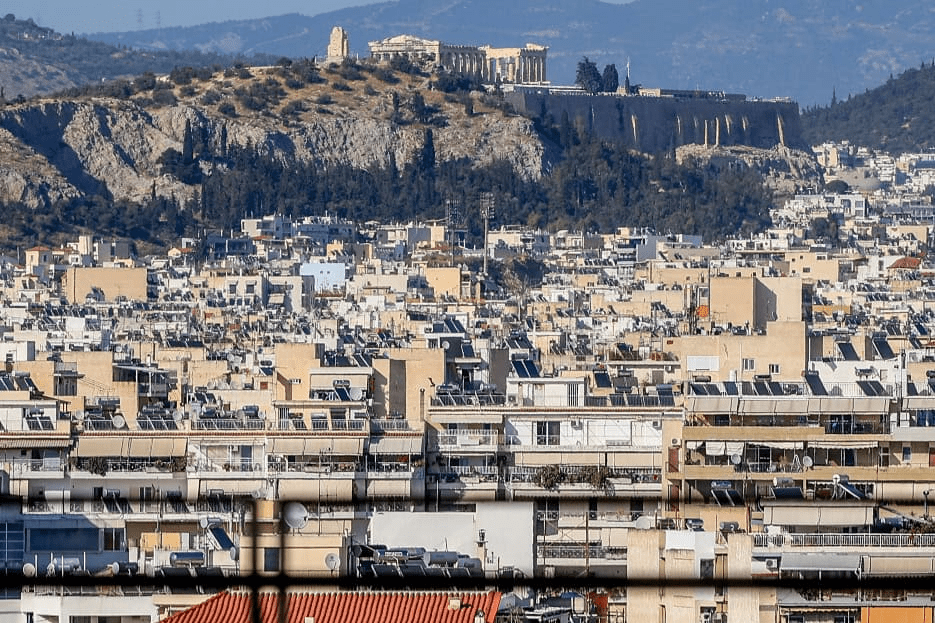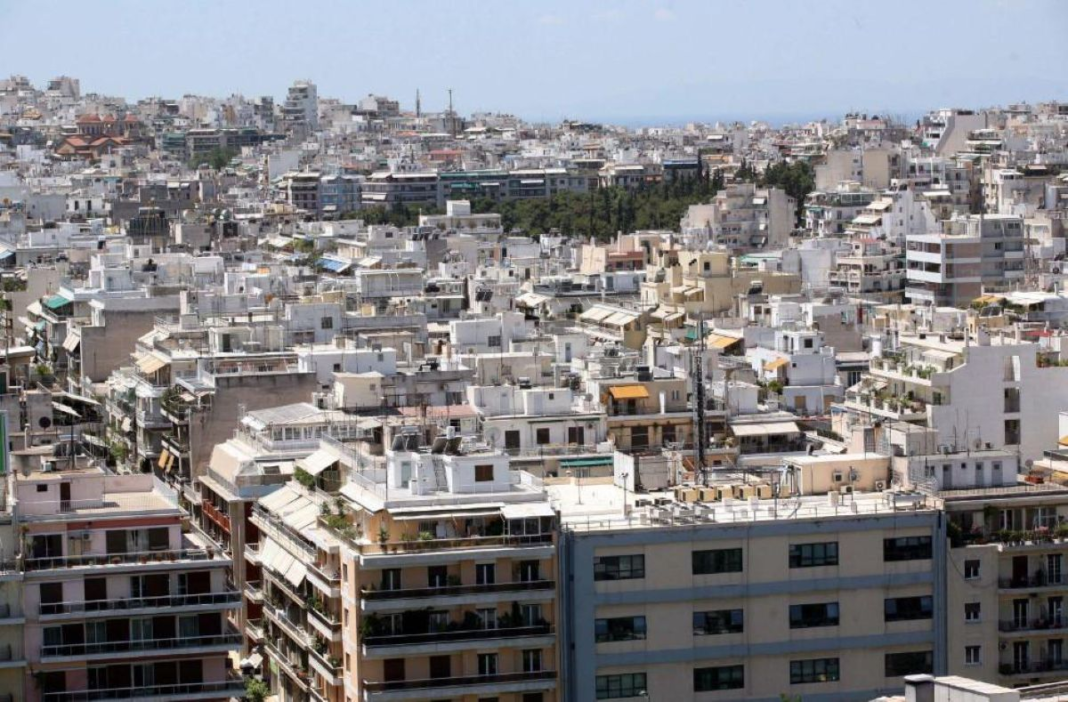

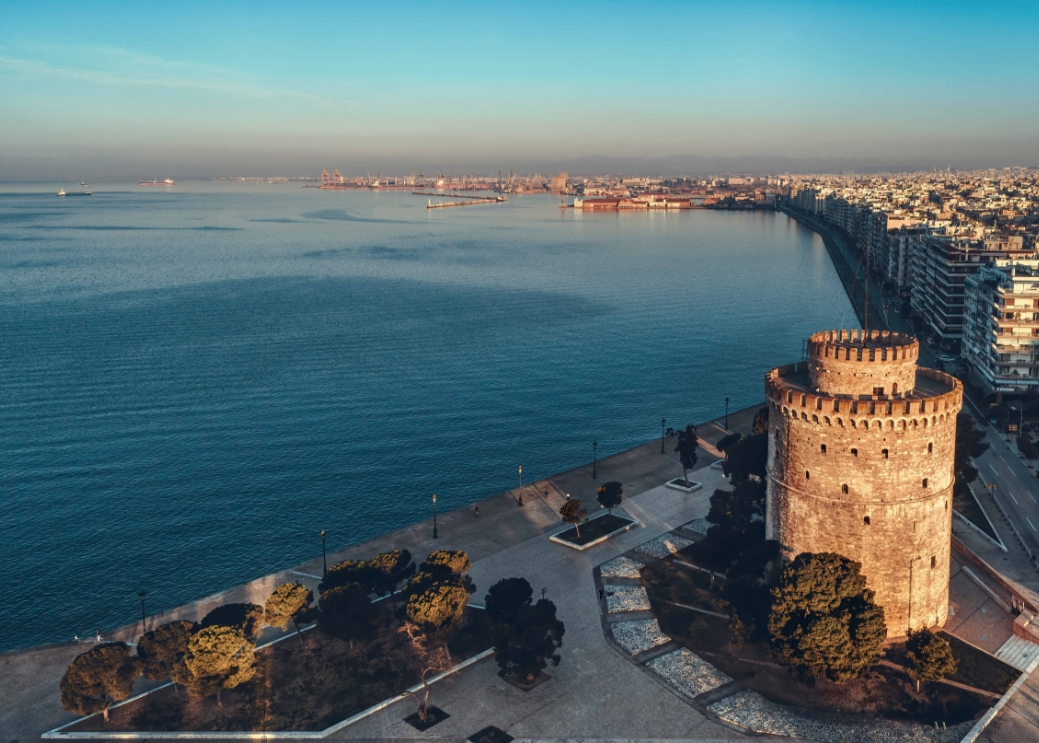
For decades, Thessaloniki lived in the shadow of Athens, often dismissed as merely Greece’s “second city.” However, the landscape of 2026 tells a different story. With the capital’s market becoming increasingly saturated and expensive, the northern metropolis is rapidly emerging as the most attractive urban alternative in Southern Europe. Boasting a vibrant student population, a fully operational modern metro system, and a burgeoning startup scene, Thessaloniki is quietly positioning itself as the smart choice for renters, remote workers, and property investors alike.
Escaping The Capital’s Price Squeeze
As Athens grapples with tighter short-term rental regulations and soaring housing costs, the spotlight has naturally shifted north. Several key factors are driving this renewed interest. Unlike the frantic pace of the capital, Thessaloniki offers a balanced urban environment that appeals to a diverse demographic, from digital nomads seeking a high quality of life to families looking for affordability.
The primary driver, however, remains the cost of living. While rental prices in Thessaloniki have seen a steady increase over the past two years, the market remains significantly more accessible than Athens. In 2026, a central one-bedroom apartment typically ranges from €450 to €700 per month, while newly renovated properties in prime locations command between €700 and €950. For families, spacious suburban apartments in desirable areas can still be found for €600 to €1,000, offering value that is becoming increasingly rare in the south.
Neighborhoods To Watch: Where The Demand Is
The demand in Thessaloniki is not uniform; it is highly concentrated around key infrastructure and educational hubs. The city center remains the crown jewel, but areas like Kalamaria and Toumba are seeing a surge in popularity. This is largely driven by the city’s massive student population—anchored by the prestigious Aristotle University—which guarantees a steady stream of demand for housing.
Furthermore, the expansion of the metro system has redrawn the real estate map, making previously disconnected neighborhoods attractive to commuters and professionals. Unlike Athens, where supply is critically low, the Thessaloniki market in 2026 is still considered “balanced,” though inventory is tightening as more international eyes turn toward the Thermaic Gulf.
A New Frontier For Investors
For property investors, Thessaloniki presents a compelling case for both mid-term and long-term strategies. With entry prices for real estate still lower than in Athens, the potential for competitive yields is high, while risk exposure remains relatively managed. The current trend among savvy investors is focusing on the renovation of older stock in central districts, specifically targeting the student housing market and medium-term rentals (3–12 months).
This shifts the focus away from the volatile short-term tourist market toward a more stable, year-round income stream. The city’s growing reputation as a tech and startup hub also means a rising demand for high-quality housing from young professionals who are priced out of other European capitals.
The Lifestyle Factor: More Than Just Bricks And Mortar
Beyond the dry statistics of real estate, Thessaloniki offers a lifestyle proposition that is hard to beat. It is a city that breathes culture, known across Greece for its superior food scene, vibrant nightlife, and a compact, walkable center that feels human-scale.
For those seeking a slower pace without sacrificing urban energy, it is the perfect compromise. Moreover, the city serves as the gateway to Halkidiki, offering access to some of Greece’s finest beaches within a 30 to 60-minute drive—a perk that adds immense value to the quality of life for residents.
Verdict: The Next Housing Hotspot?
While Athens remains Greece’s primary international gateway, Thessaloniki’s unique combination of affordability, infrastructure development, and lifestyle appeal makes it arguably the most promising secondary city in Europe for 2026. For renters, it offers stability; for investors, it offers growth potential; and for remote workers, it offers balance. The question is no longer whether Thessaloniki matters—it is how fast you can get in before the secret is fully out.
Content produced by the VietLife EU English Desk. For more insights on housing trends and market analysis in Greece, stay tuned to our upcoming reports.