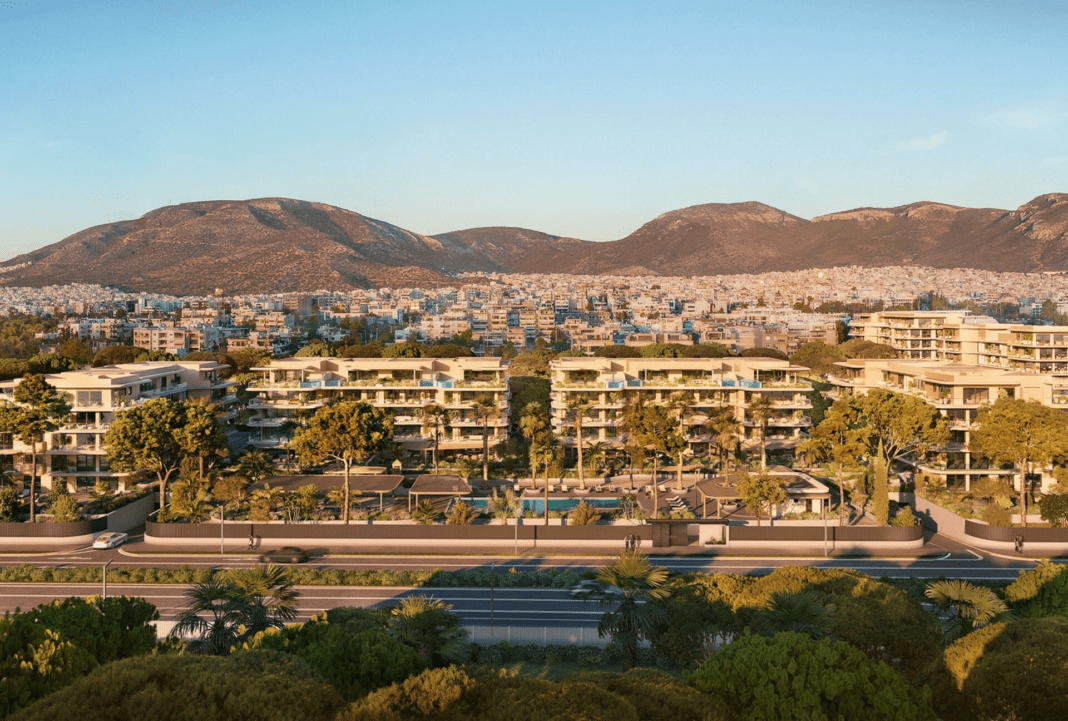

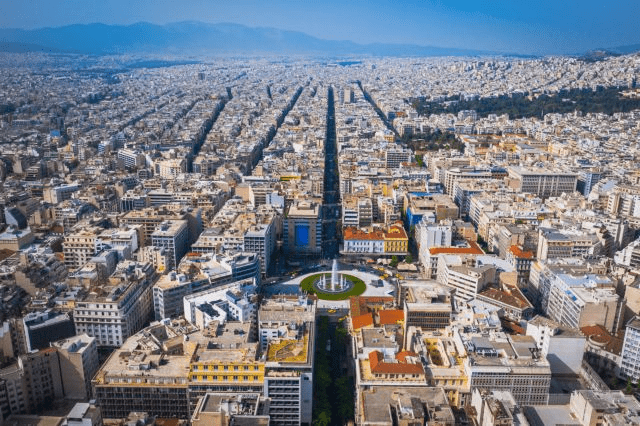
For anyone attempting to navigate the Athenian real estate market in 2026, the experience is defined by intense competition and acute sticker shock. The days of securing a spacious, renovated apartment in a central neighborhood on a local salary are firmly in the past. But to view this merely as an anecdotal grievance is to underestimate the macroeconomic structural shift occurring within the country.
Why is housing so expensive in Athens in 2026?
According to ongoing analysis from the Bank of Greece, the housing crisis in Greece is driven by a combination of a severe, long-term supply shortage, rising foreign investment demand, and the delayed consequences of a decade-long collapse in construction activity.
This is not a temporary market fluctuation; it is a systemic imbalance. Understanding the true cost of housing in Athens requires looking beyond greedy landlords and examining the hard data that dictates the market.
Why Rent Prices in Athens Are Rising So Fast
The fundamental law of economics—supply and demand—is playing out with ruthless efficiency in the Greek capital. The core of the current housing crisis in Greece is rooted not in the present, but in the immediate past.
The Lost Decade of Construction
During the depths of the Greek financial crisis (roughly 2010 to 2019), domestic construction effectively ground to a halt. As credit evaporated and property taxes surged, developers stopped building. The Bank of Greece has repeatedly highlighted this cumulative deficit: for nearly ten years, the country produced a fraction of the new housing units required to keep pace with natural demographic shifts and urban migration.
Now, as the economy recovers and thousands of young professionals and families seek independence, they are competing for a housing stock that has barely expanded in over a decade. This severe supply bottleneck is the primary mechanism forcing rent prices in Athens ever upward.
The Impact of Foreign Capital and Tourism
While the supply side remains constrained, demand has been artificially supercharged from abroad. The market is no longer just local Athenians competing against each other; it is a globalized arena.
Competing on a Global Stage
As we explored in our analysis of [Greece’s structural shift in Foreign Direct Investment (FDI) 🔗], the country has successfully rebranded itself as a safe, lucrative haven for international capital. However, this influx has heavily impacted residential real estate. Tens of thousands of apartments have been permanently removed from the long-term rental market, converted into lucrative short-term tourist lets or purchased by non-EU citizens navigating the shifting thresholds of the Golden Visa program. This removes critical inventory from the local market, pushing the domestic workforce further out into the suburbs and inflating prices across the entire Attica basin.
The Intersection with General Inflation
The psychological and financial toll of the housing crisis is exacerbated by the fact that it does not exist in a vacuum. Rent is rising concurrently with almost every other baseline expense.
This pressure on disposable income is severely amplified by the broader [cost of living increases in Greece 🔗], particularly regarding energy and supermarket inflation. When a local worker is forced to allocate 40 to 50 percent of their monthly salary just to cover an inflated rent, their economic resilience evaporates. Furthermore, for the independent workforce, the recent rollout of the rigid [presumptive tax laws for freelancers 🔗] has drained vital liquidity, making it even harder to absorb these aggressive rent hikes.
What This Means for Renters in 2026
The data from the Bank of Greece paints a sobering picture: there is no immediate, silver-bullet solution to the housing crisis in Greece. Because the root cause is a deep structural deficit in supply, it will take years of sustained construction and heavy capital deployment to rebalance the market.
For renters in 2026, the reality is highly defensive. Securing a lease today requires speed, flawless financial documentation, and a willingness to compromise on either location or property age. As rent prices in Athens continue their upward trajectory, housing is no longer just a basic need; it has become the ultimate financial dividing line between those who hold assets in the capital and those who simply pay to live in it.